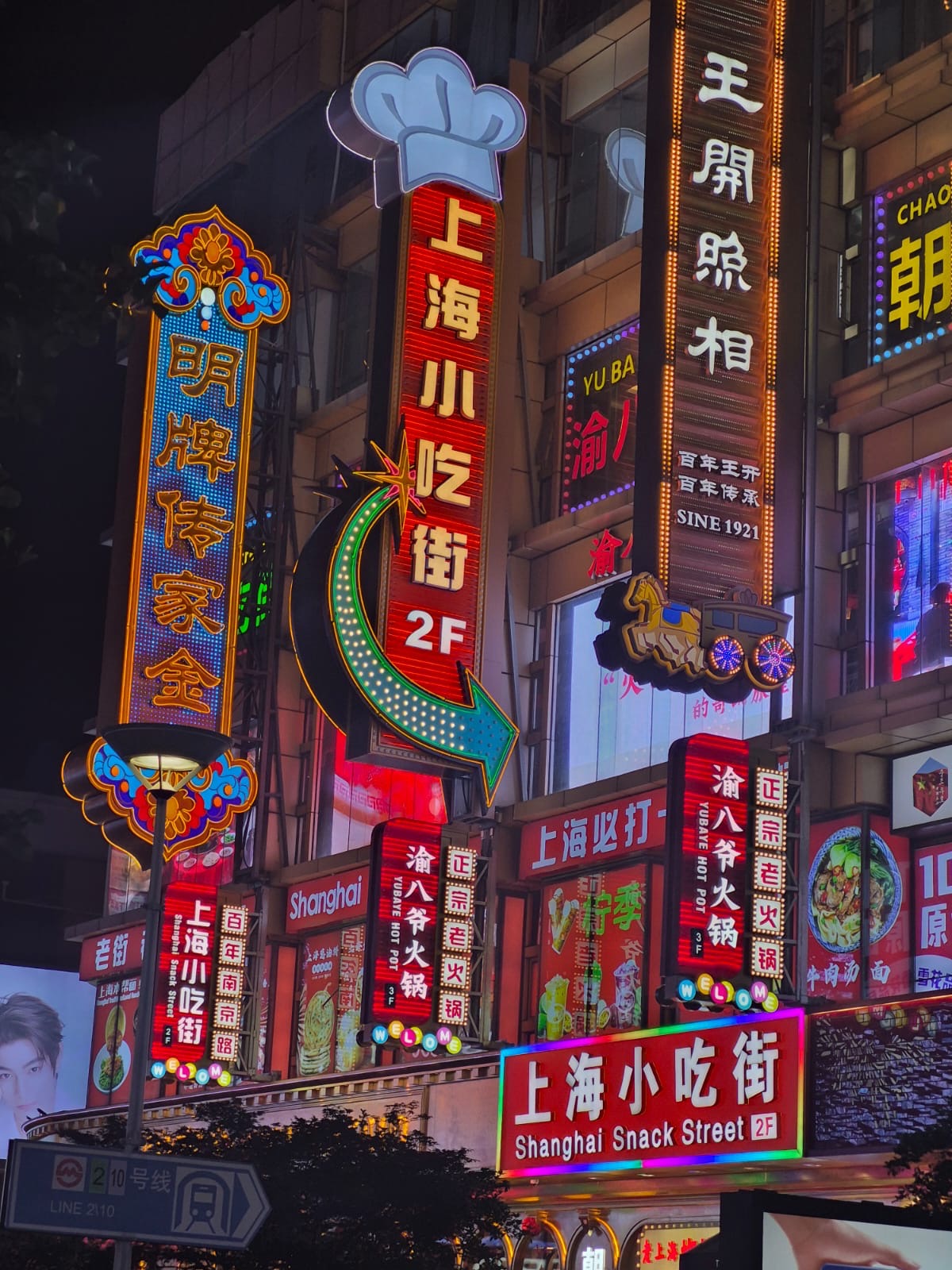
In recent years, Shanghai has successfully established itself as one of the world's most attractive urban tourism destinations. The city not only serves as China's business and financial center but has also become a magnet for tourists, attracting millions of domestic and international visitors each year.
Shanghai's success is no accident; the city has consistently developed a tourism ecosystem centered around creating strong, recognizable icons that promote sustainable economic activity. This approach is noteworthy and offers valuable lessons for Jakarta, one of the largest metropolitan areas in Southeast Asia.
City Icons as Tourist Attractions
When people think of Shanghai, they often visualize the futuristic skyline of the Pudong area, which features the Shanghai Tower, the Oriental Pearl Tower, and a row of impressive skyscrapers. These icons are not just visual landmarks; they are significant reasons why tourists choose to visit, take photos, share their experiences on social media, and often extend their stays.
In contrast, Jakarta faces the challenge of developing a globally appealing tourist icon that effectively represents the city. While the National Monument (Monas) stands as a significant landmark, the city still lacks a range of urban tourist icons that can provide repeated experiences for visitors.
Cultural Tourism that Resonates
Shanghai also illustrates how cultural heritage can be transformed into modern attractions without sacrificing historical significance. A prime example is Jing'an Temple, which, despite being located amidst bustling business districts and shopping malls, remains a popular destination. Visitors come to worship and also to appreciate the architecture, history, cultural ambiance, and unique photography opportunities.
This blend of modernity and cultural preservation offers Shanghai a distinct advantage. Jakarta possesses similar assets, including the Old Town, the Glodok Chinatown area, Setu Babakan, and various historical sites throughout the city. The challenge lies in effectively packaging these assets into a vibrant, integrated, and easily accessible tourist experience.
Share This News